

Residential Roofer FAQs
How Much Does Residential Roofing Cost?
The cost of residential roofing varies widely depending on factors like roof size, the type of materials used, labor costs, and the complexity of the installation. Typically, homeowners spend between $5,000 and $10,000 on a full roof replacement, but this can be higher for premium materials or steep roofs. Getting a detailed, written estimate from a local roofing contractor will help you understand all costs, including permits, removal, and disposal fees.
What Types of Roofing Materials Are Best for Homes?
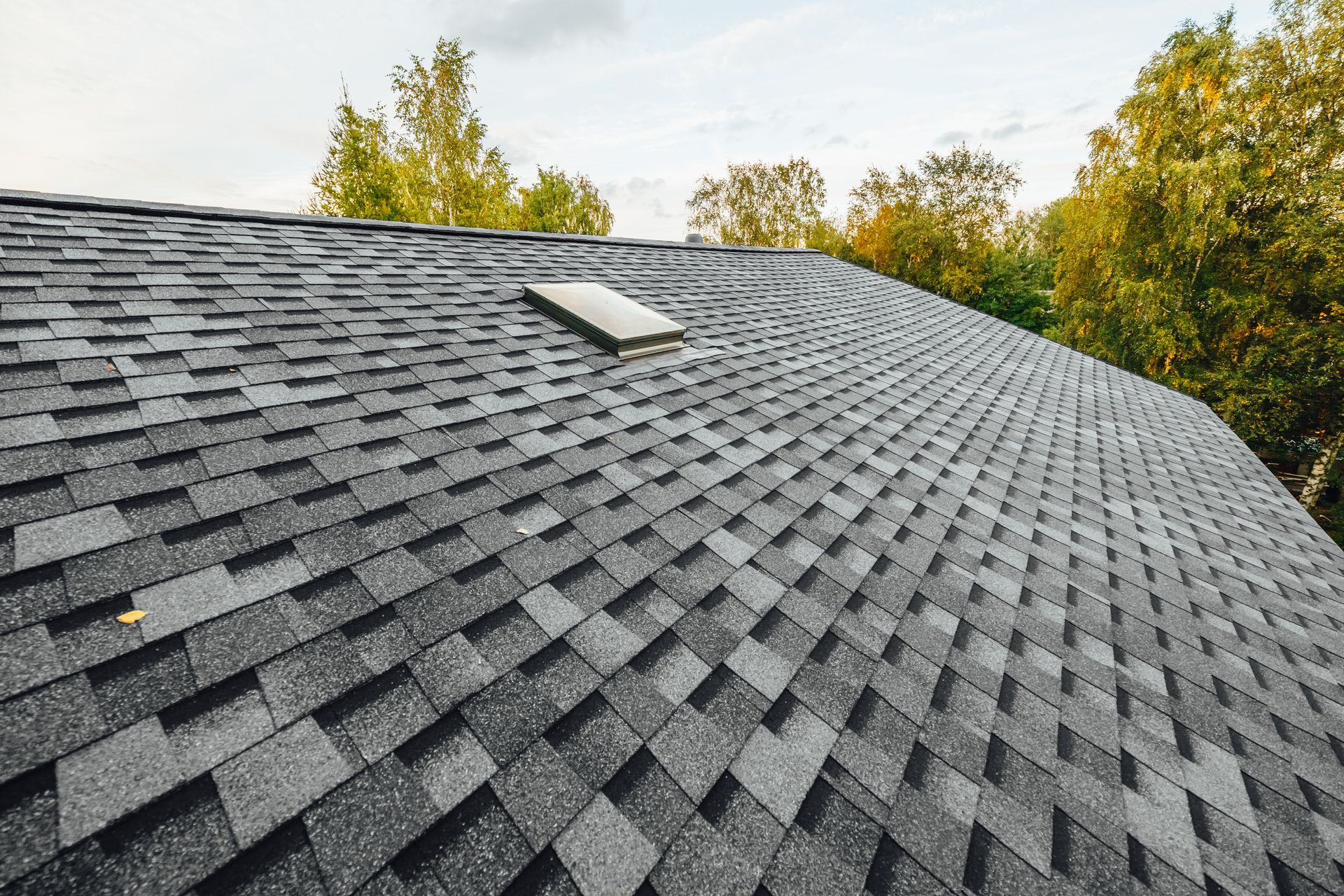
Many homeowners choose from popular materials such as asphalt shingles, metal, wood shakes, and tile roofing. Asphalt shingles offer a balance of affordability, ease of installation, and durability, making them a top choice. Metal roofs are highly durable and energy-efficient, but come with a higher upfront cost. Wood shakes provide a natural look but require more maintenance.
Why Should I Hire a Professional Roofing Contractor?
Hiring a professional roofing contractor ensures that your roof is installed or repaired correctly, safely, and according to code. Professionals bring expertise that helps avoid costly mistakes and potential roof failures. They have proper tools and insurance to protect your property and their workers. Additionally, experienced roofers provide warranties, giving you peace of mind about the long-term quality and durability of their work.
What Is the Process for Residential Roof Replacement?
Residential roof replacement typically involves multiple steps: first, a thorough roof inspection to assess existing damage; next, removal of old shingles and roofing materials; followed by repairs to the roof deck if needed; then installation of new underlayment and roofing materials; and finally, cleanup and a final inspection.
How Long Does a Residential Roof Last?
The lifespan of a residential roof depends mainly on the materials used and how well it is maintained. Asphalt shingle roofs commonly last 20 to 30 years, while metal roofs can last between 40 and 70 years. Tile and slate roofs can last even longer, often exceeding 50 years. Regular inspections and timely maintenance, such as replacing damaged shingles or sealing leaks, are essential to maximize your roof’s lifespan and protect your home.
How Can I Maintain My Roof to Prevent Damage?
To prevent damage and prolong your roof’s life, it’s important to perform routine maintenance such as regularly cleaning gutters to avoid water backup, removing debris that can cause rot, and checking for any missing or damaged shingles. It’s also wise to schedule annual inspections with a professional roofing contractor who can spot potential issues early. Proper ventilation and timely repairs can save significant costs and extend your roof’s durability.
What Are the Advantages of Hiring Local Roofers?
Choosing local roofers offers several benefits including quicker response times, familiarity with local building codes, and knowledge of the climate’s impact on roofing materials. Local contractors often have established reputations in the community, which means you can rely on reviews and referrals to gauge their quality. They typically offer more personalized customer service and provide warranties backed by their ongoing presence in your area.
What Should I Look for When Choosing a Roofing Contractor?
When selecting a contractor, it’s important to verify their license and insurance to protect yourself from liability. Look for contractors with strong customer reviews and a proven track record with projects similar to yours. A reputable contractor will provide a clear, detailed written estimate, explain warranty options, and maintain open communication throughout the project. Checking for local affiliations or certifications is also a good sign of professionalism.
Do Roofing Contractors Offer Warranties?
Yes, most reputable contractors provide warranties that cover both workmanship and manufacturer defects. Workmanship warranties typically last anywhere from 5 to 10 years, ensuring the installation meets professional standards. Manufacturer warranties vary depending on the roofing materials and can last 20 years or more. Always clarify the scope and duration of warranties before hiring a contractor to ensure your investment is protected.
Can Multi Family Roofing Be Different From Single Family Home Roofing?
Multi-family roofing projects often require different materials and installation techniques compared to single-family homes due to larger roof sizes and increased structural complexity. These roofs often need enhanced waterproofing, better drainage systems, and specific ventilation strategies to accommodate multiple living units. Contact Kottke Construction now!